
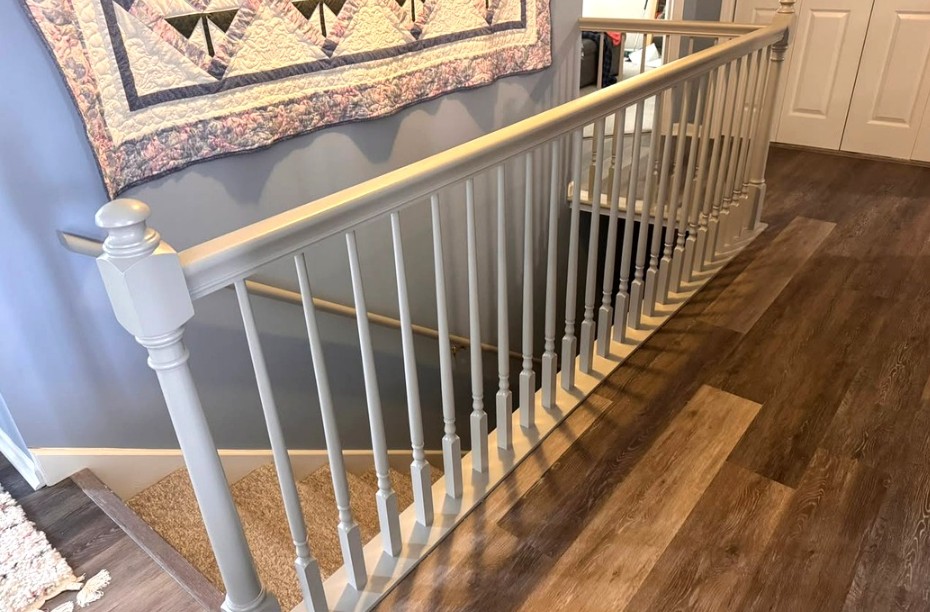
A fresh coat of paint can make a familiar room feel brighter, cleaner, and more comfortable. However, before our painting team arrives, a little planning can make the experience easier for everyone. The best way to prepare your Columbia-area home for interior painting is to clear small belongings, identify surfaces that need attention, plan access to the rooms, and discuss furniture, pets, and scheduling with your painter.
At Dave’s Painting, we have spent more than 30 years helping homeowners in Columbia and Boone County refresh their spaces. Here is how to get ready without feeling as though you need to do the painter’s job yourself.
Decide Which Rooms and Surfaces Need Attention
Start by walking through the areas you want painted. Are the walls scuffed, or do the baseboards and door frames also look tired? Do ceilings need refreshing? Are you considering an update to cabinets or stair railings while the room is being worked on?
Making these decisions before your estimate helps us understand the scope. A room with walls only is a different project from one that includes ceilings, doors, trim, and detailed woodwork. It is also helpful to point out stains, cracks, peeling paint, or areas that have been patched previously.
You do not have to diagnose the cause of every imperfection. We can evaluate the surfaces and explain which preparation steps make sense. The important thing is not to hide problem areas behind furniture or décor during the walkthrough.
Clear Small Items and Protect Valuables
Before painting begins, remove photographs, lightweight shelves, tabletop decorations, and other small belongings from the work area. Emptying fragile items from nearby furniture helps reduce the risk of accidental damage. Keep jewelry, electronics, paperwork, and sentimental objects somewhere secure.
If you have wall art, take it down ahead of time and decide whether it will return to the same location. That decision matters because nail holes that will not be reused may need filling. Labeling hardware and keeping it in a small bag can save time when the room is put back together.
Our team protects floors and furniture as part of our interior painting work. Still, it is worth discussing large or unusually heavy pieces with us before the start date. Do not strain yourself trying to move a piano, oversized cabinet, or other difficult item.
Plan Furniture Access Without Emptying the Whole House
You may not need to remove every piece of furniture from a room. What matters is creating enough space for safe access to walls, corners, trim, and work equipment. Ask us which pieces should be moved and which can remain covered in place.
Consider how the crew will enter and exit, where materials can be staged, and whether a hallway must stay open for your family. If multiple rooms are being painted, we can discuss an order that limits disruption. For example, finishing one bedroom before moving to another may make more sense than taking several essential rooms out of service at once.
Prepare Children, Pets, and Daily Routines
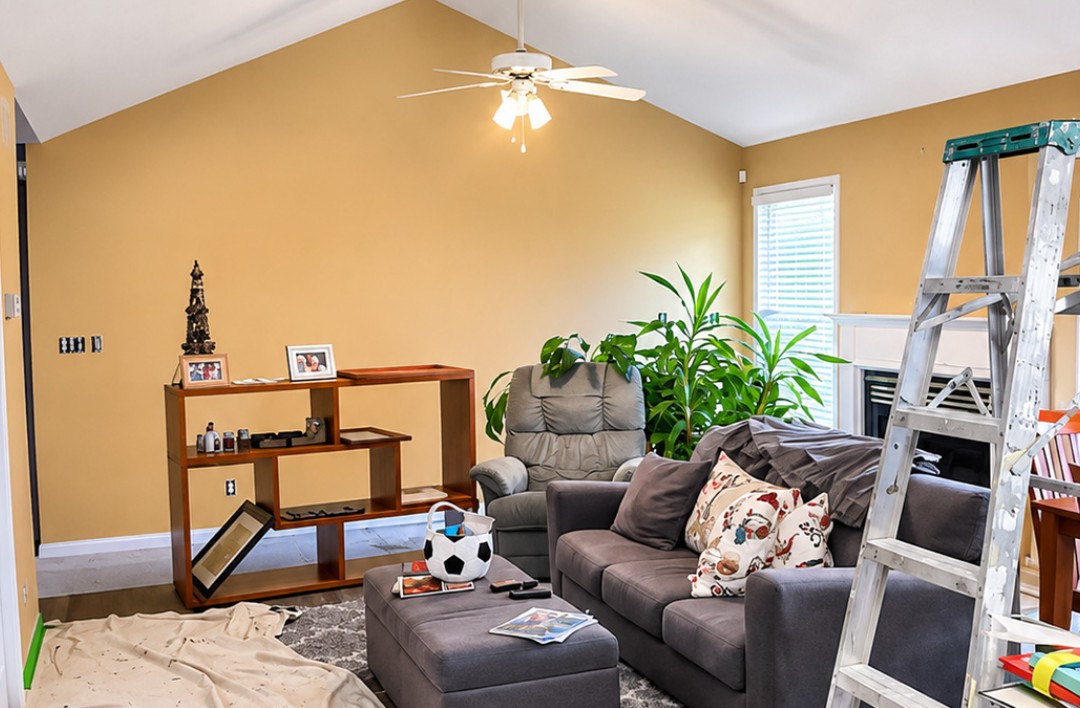
Interior painting affects more than the room itself. Doors may need to stay open or closed at different points, and some areas should not be touched while coatings dry or cure. Plan a safe space for pets away from the work area, especially animals that are curious about open doors, ladders, or supplies.
Let us know about school schedules, remote work, mobility needs, or rooms that must remain accessible. If a kitchen, hallway, or primary bedroom is involved, think about how you will use the space during the project. Clear expectations ahead of time help everyone plan.
Talk About Repairs Before Painting Starts
Fresh paint will not conceal every wall problem. In fact, changing light and sheen can make dents, uneven patches, or poorly repaired seams more noticeable. Point out nail holes, minor settling cracks, damaged caulk, and areas where old paint looks uneven.
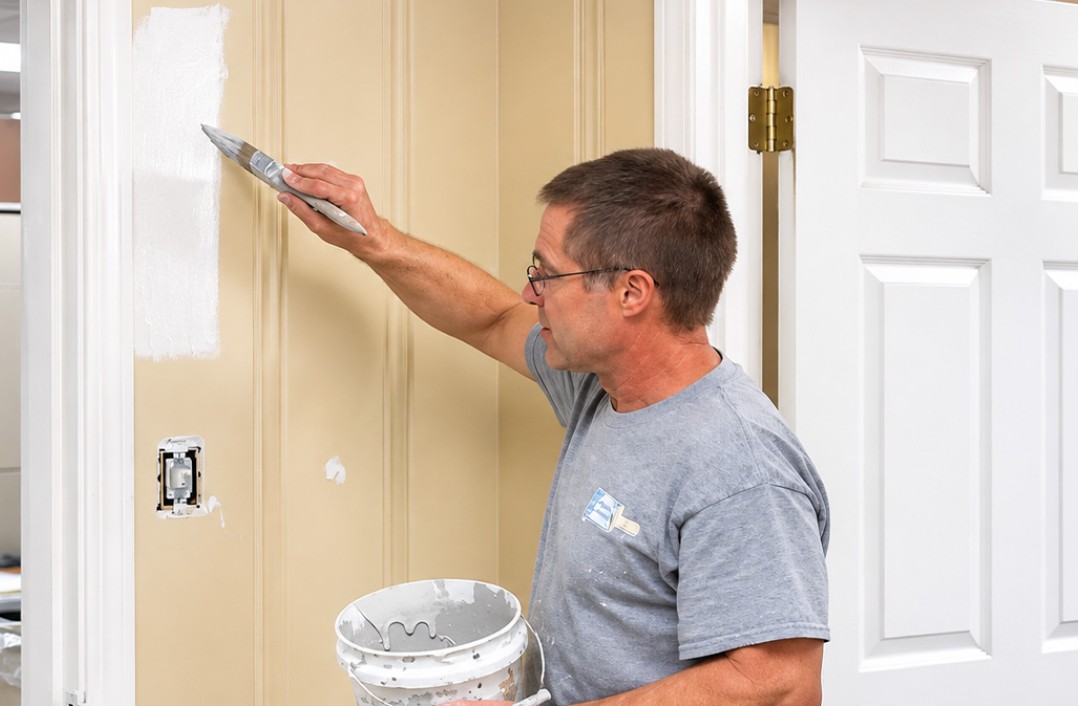
Our interior painting process includes surface evaluation and appropriate preparation, which may involve filling small holes, sanding, or addressing trim joints where needed. Larger damage or moisture problems may require additional attention before painting is appropriate. If a stain keeps returning or drywall feels soft, mention it rather than assuming paint will solve it.
Choose Colors in the Room’s Actual Light
A color chip can look very different from the finished wall. Columbia homes experience bright summer daylight and lower winter light, and the direction of a window changes how a color appears throughout the day. Test your preferred colors in the actual room and look at them morning, afternoon, and evening.
Compare samples against flooring, cabinetry, countertops, and existing trim. If you are changing wall colors but keeping the trim, check whether the undertones work together. We can discuss color choices during the consultation, but allowing time to live with samples can prevent an expensive change of mind after work begins.
Understand Drying and Curing Conditions in Missouri
Interior painting can be scheduled throughout the year, including winter. However, indoor temperature, ventilation, and humidity still matter. During a humid Missouri summer, drying may take longer. In winter, heated indoor air can be quite dry, and wood trim may contract enough to reveal small gaps.
Keep heating, cooling, and ventilation plans consistent with the coating requirements and our recommendations. Avoid opening windows simply because you assume it will help; outdoor humidity or cold air can make conditions worse. Dry-to-touch time is also not the same as full curing time. Ask when it is safe to move furniture back, hang artwork, clean the surface, or resume normal use.
What Happens When Our Painting Team Arrives?
We begin with a clear understanding of the rooms and surfaces included in the job. Depending on the project, preparation may include protecting floors and furniture, removing small covers or fixtures when appropriate, repairing minor imperfections, sanding, and preparing trim joints. We then apply coatings suited to the surfaces and allow appropriate drying time.
A good result is not just about color. It is about smooth, consistent coverage, clean edges, and careful attention to the condition of the surface underneath. We keep work areas organized and review the finished work with you.
For more information about our process, see our Residential Interior Painting Services in Columbia, MO.
Ready to Refresh Your Columbia-Area Home?
Whether you are updating a single room, repainting several living spaces, or refreshing trim, preparation makes the experience smoother and helps the finish look its best. Our local painting team serves Columbia, Boone County, and surrounding Mid-Missouri communities with more than three decades of experience.
Tell us what you would like to change, and we will help you plan the next steps. Request an estimate or call (573) 819-5253.
Frequently Asked Questions About Preparing for Interior Painting
Do I need to wash my walls before painters arrive?
Not necessarily. Tell us about grease, smoke residue, or heavily soiled areas so we can determine the right cleaning and preparation. Avoid applying unknown cleaners or leaving residue on the walls immediately before painting.
Should I remove outlet covers and switch plates?
You generally do not need to do that yourself. We remove small covers or fixtures when necessary as part of the preparation discussed for your project. If something is damaged or difficult to access, point it out first.
Can I stay home while the rooms are painted?
Often, yes, depending on the rooms involved, ventilation needs, and your household. Discuss your schedule and any sensitivities ahead of time so we can plan access and minimize disruption.
How soon can I put furniture back?
That depends on the coating, indoor conditions, and whether the furniture could touch newly painted surfaces. We will discuss appropriate timing. Avoid pressing objects against paint before it has adequately cured.
Is winter a good time for interior painting in Columbia?
Interior painting is possible year-round. The important factors are stable indoor conditions, surface preparation, and allowing the finish the time it needs to dry and cure.