
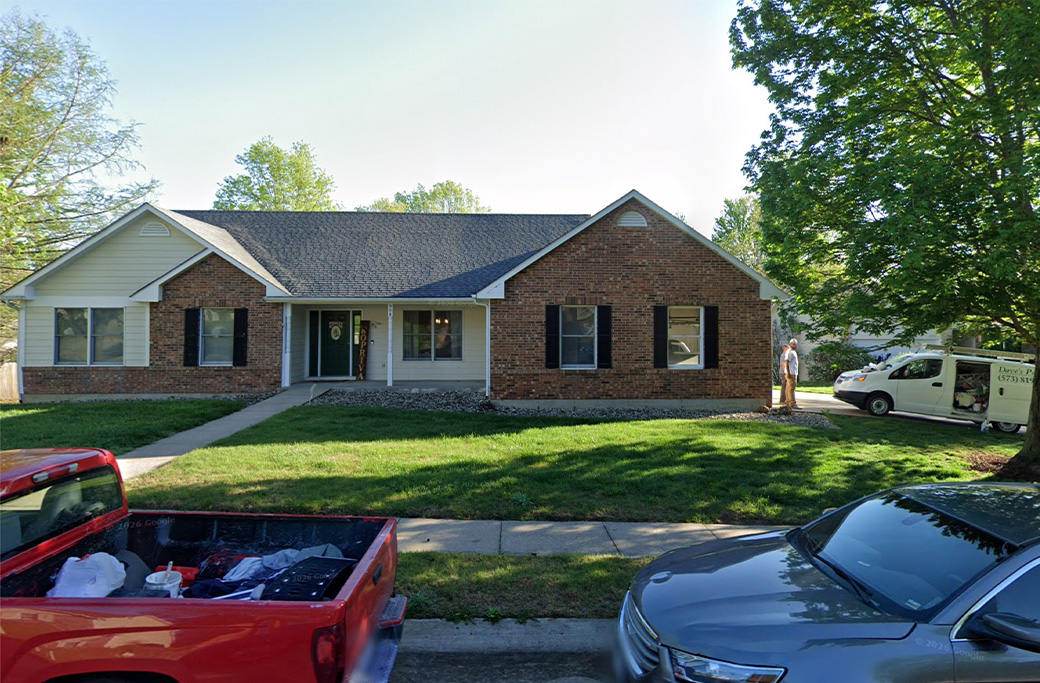
If you’re trying to budget for professional house painting in Columbia, Missouri, you probably want a number. The problem is that two houses of similar size can require very different amounts of work.
The cost to paint a house depends primarily on the size and condition of the surfaces, the amount of preparation required, whether you’re painting the interior or exterior, the number of colors and finishes involved, and details such as trim, ceilings, cabinets or repairs.
That’s why a professional painting estimate should be based on the actual project, not just the square footage of your house.
After more than 30 years in the painting business, Dave’s Painting has seen how much surface condition and preparation can change a job. Here’s what Columbia-area homeowners should understand before comparing painting estimates.
What Determines the Cost of Painting a House?
Square footage matters, but it’s only part of the equation. A large home with walls in good condition may be more straightforward to paint than a smaller home with peeling paint, damaged trim, extensive patching or difficult-to-reach areas.
The biggest factors affecting your estimate usually include:
-
- Amount of surface area being painted
- Interior versus exterior painting
- Condition of the existing paint and surfaces
- Repairs and preparation required
- Number of coats
- Number of colors
- Type and quality of coatings
- Trim, doors and ceilings
- Height and accessibility
- Exterior siding or substrate
- Cabinet or specialty-surface painting
- Labor required to protect surrounding surfaces and clean up properly
The best way to compare estimates is therefore not simply to ask, “Who gave me the lowest number?” Ask what each painter included in that number.
How Does House Size Affect Painting Cost?
Larger projects generally require more paint, supplies and labor, but painters need to look at the paintable surfaces, not simply the home’s total square footage.
For an interior project, that could include walls, ceilings, baseboards, crown molding, window trim, doors and closets. Two 2,000-square-foot houses could therefore produce very different estimates. One homeowner may want only the walls painted. Another may want walls, ceilings, trim and doors throughout the house.
Exterior projects have similar differences. House height, siding material, trim details, porches and accessibility can all affect the amount of labor involved.
When requesting an estimate, be clear about exactly which surfaces you want included.
How Much Does Surface Preparation Affect the Price?
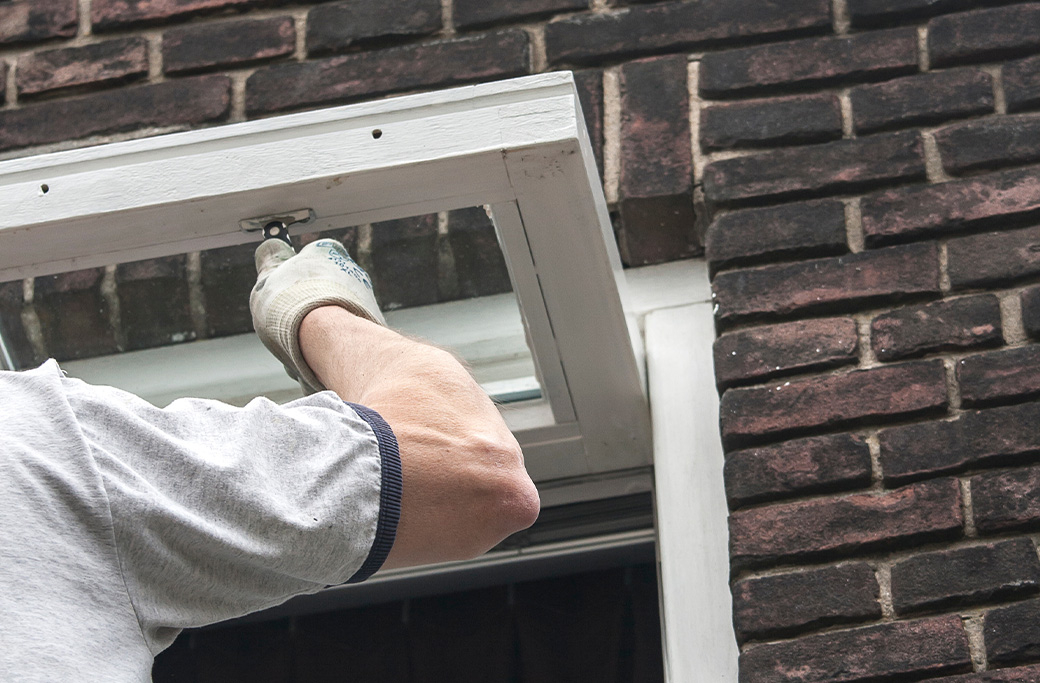
Often, quite a bit. Professional painting involves more than putting new paint over old paint. Depending on the project, preparation can include cleaning, scraping, sanding, patching holes, repairing minor surface defects, caulking gaps, protecting floors and furniture, masking surrounding surfaces and applying primer.
Preparation becomes particularly important on exteriors. Mid-Missouri homes experience humid summers, rain, cold winters, and repeated temperature changes. Exterior wood and trim can absorb moisture, expand and contract, and eventually develop peeling or failing coatings.
If an exterior has substantial peeling paint, exposed wood or deteriorating caulk, it will usually require more preparation than a well-maintained surface.
For more about how Dave’s Painting approaches these surfaces, see our exterior painting services in Columbia, MO.
Is Interior or Exterior House Painting More Expensive?
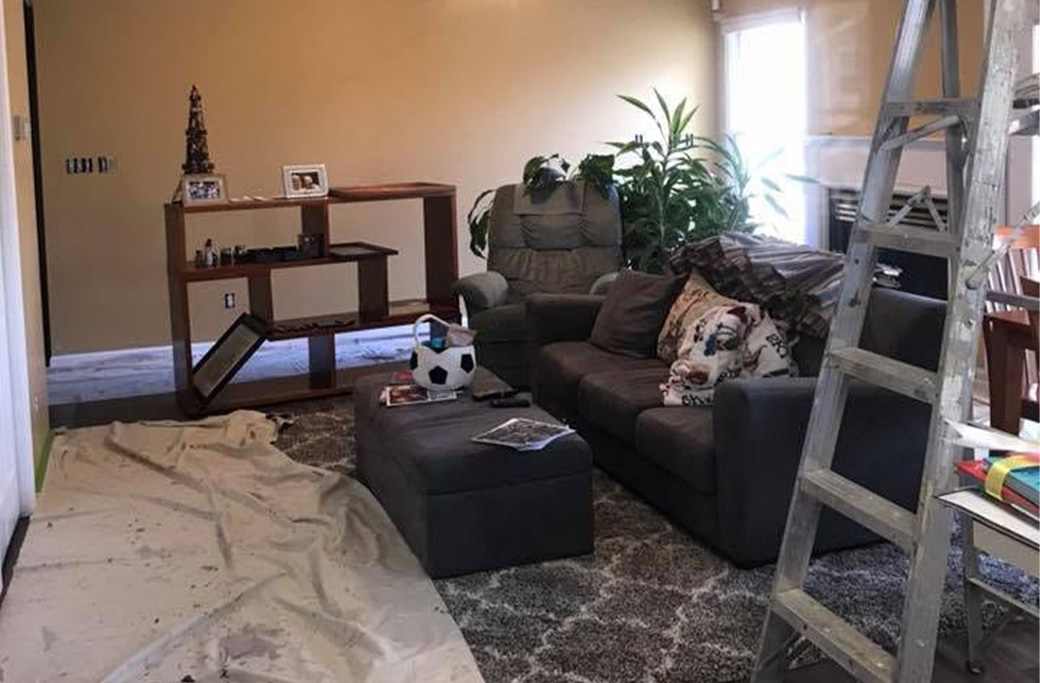
There isn’t a universal answer. Interior and exterior projects involve different types of labor.
Interior painting costs can increase when a project includes:
-
- Extensive wall repairs
- High or vaulted ceilings
- Detailed trim
- Multiple doors and windows
- Several paint colors
- Ceilings
- Stairways
- Cabinets
- Difficult furniture or room-access issues
Interior painting also requires careful protection of floors, furniture and other finished surfaces. If you’re considering an indoor project, our residential interior painting service explains more about the process.
Exterior painting costs can increase because of:
-
- Peeling or failing existing paint
- Damaged or weathered surfaces
- Multiple stories
- Difficult access
- Extensive trim
- Specialty surfaces
- Additional scraping, sanding or priming
- Weather-related scheduling constraints
The condition of the house often matters as much as its size.
Why Can Two Painting Estimates Be So Different?
This is one of the most important questions homeowners can ask. A lower estimate isn’t necessarily a bad estimate, and a higher estimate isn’t automatically better. The estimates may simply include different scopes of work.
One painter might include extensive preparation, while another assumes minimal prep. One estimate might include two coats in certain areas, while another does not. Trim, ceilings, closets or repairs may be included in one proposal and excluded from another. When comparing painters, ask:
What preparation is included?
Find out what will be patched, sanded, scraped, cleaned, caulked or primed.
Which surfaces are included?
Confirm walls, ceilings, trim, doors, closets, siding and other surfaces individually.
What products will be used?
Different coatings are designed for different surfaces and levels of wear.
How will the home be protected?
Interior floors and furnishings and exterior landscaping or adjacent surfaces should be considered.
What happens if additional problems are discovered?
It’s better to understand that process before work begins.
A clear estimate makes it easier to compare actual value, rather than comparing two numbers that may represent completely different jobs.
Does Paint Quality Affect the Total Cost?
Yes, but paint is only one component of the total project. Different paints and coatings vary in price, durability, washability, sheen and suitability for particular surfaces.
A frequently used hallway, for example, has different demands than a low-traffic bedroom. Exterior siding faces different conditions than interior drywall. Cabinets require coatings capable of handling repeated contact, cleaning, cooking residue and moisture.
Choosing a product should therefore be based on the surface and how it will be used—not simply choosing the most or least expensive can on the shelf.
Labor and preparation also make up a significant part of professional painting. Saving money on preparation can become expensive if the coating fails prematurely.
Do Trim, Ceilings and Doors Cost Extra?
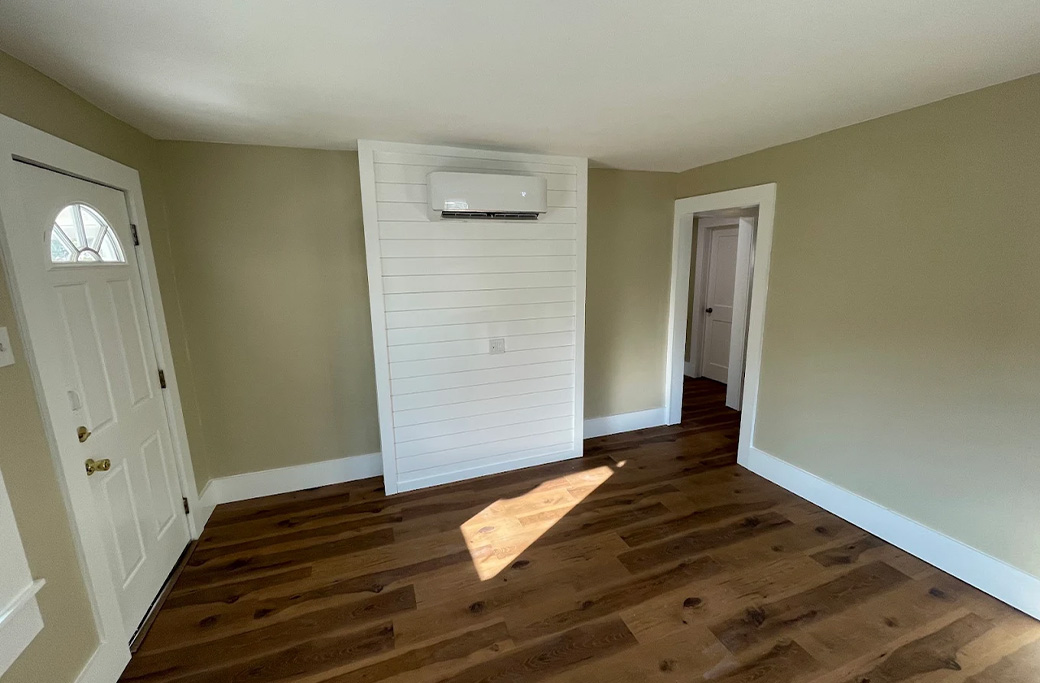
They can affect the scope and price because they’re additional surfaces requiring labor and materials.
Trim can be particularly time-consuming. Baseboards, crown molding, window casings and door frames require careful preparation and clean lines.
Ceilings may require additional protection and equipment, particularly in rooms with high or vaulted ceilings.
Doors have their own preparation and finishing requirements.
When getting an estimate, tell the painter everything you’re considering, even if you haven’t decided whether to include it. Having the options separated in an estimate can help you decide where to spend your budget.
What About Cabinet Painting?
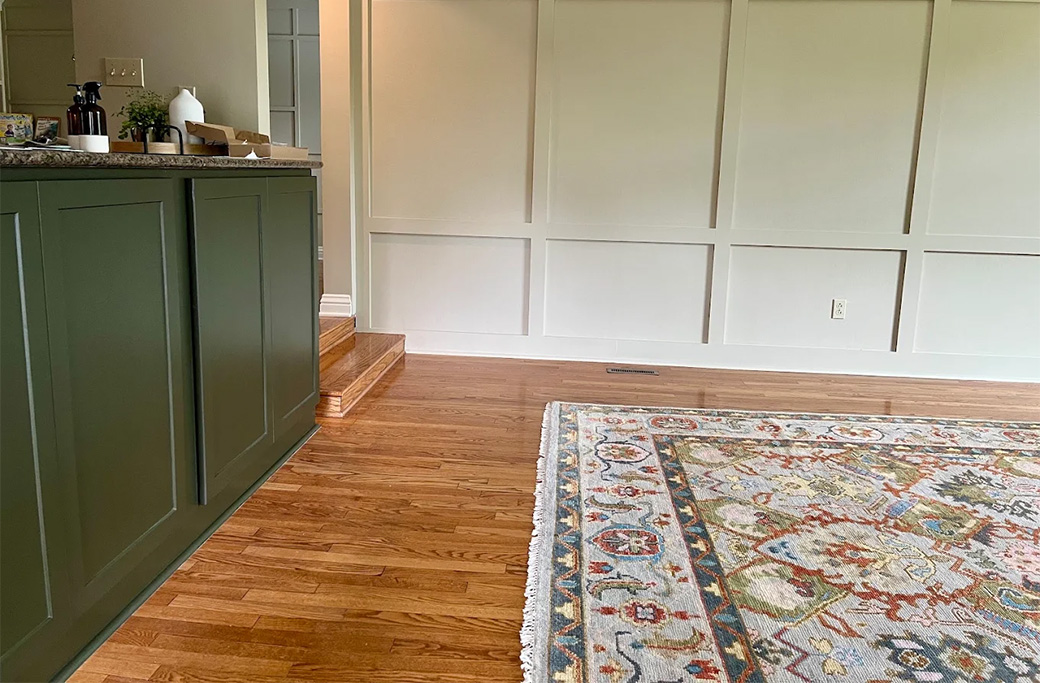
Cabinet painting should generally be treated as a specialty project, rather than assuming it is included in a standard interior wall-painting estimate.
Cabinets are touched, cleaned, and exposed to moisture and cooking residue constantly. Proper cabinet painting requires cleaning, surface preparation, bonding products and coatings designed to withstand regular use.
Dave’s Painting offers cabinet painting as part of its residential painting services. Depending on the available space, cabinet work may involve setting up a properly ventilated spray area so the finish can be applied and cured appropriately.
If you’re considering painting the kitchen at the same time as the walls, ask for the cabinet portion to be clearly identified in the estimate.
Does the Time of Year Affect Exterior Painting Costs?
Weather can affect scheduling and the amount of time available to complete exterior work properly.
Columbia and Boone County experience hot, humid summers, spring rain and freezing winter conditions. Paint products have temperature and moisture requirements, and surfaces need adequate drying time.
That doesn’t necessarily mean a particular season automatically makes a project cheaper or more expensive. It means exterior work needs to be scheduled around conditions that allow the coating to perform as intended.
Trying to force an exterior project into unsuitable conditions isn’t a good way to save money.
Is Professional House Painting Worth the Cost?
That depends on the project and what you’re trying to accomplish.
Some homeowners are comfortable painting a straightforward bedroom themselves. Larger projects become more complicated when they involve extensive repairs, high ceilings, detailed trim, exterior heights or specialty finishes.
Professional painting also includes the work homeowners sometimes underestimate: protecting the property, preparing surfaces, choosing appropriate coatings, producing consistent coverage and cleaning up afterward.
If you’re comparing DIY and professional painting, consider the entire project, not just the price of paint.
How Can I Keep My Painting Project Within Budget?
Start by identifying your priorities. If you’re planning a large interior project, decide which rooms need attention first. Determine whether ceilings and trim need to be painted or whether the walls are the priority.
For an exterior, don’t wait until deterioration becomes severe. Peeling coatings and exposed surfaces can require additional preparation if maintenance is postponed.
You can also ask for different portions of a project to be identified separately. That gives you a better understanding of where the money is going and whether some work can be completed later.
Most importantly, communicate your budget and expectations before the project begins.
What Should Be Included in a Painting Estimate?
A useful estimate should make the scope of the project understandable.
Before hiring a painter, make sure you understand:
-
- Which areas and surfaces will be painted
- What preparation is expected
- Whether repairs are included
- Whether primer is needed
- What types of coatings will be used
- Which trim, ceilings and doors are included
- How the property will be protected
- How the project will be scheduled
- What warranty or workmanship protection applies
Dave’s Painting has more than 30 years of painting experience and backs its work with a two-year warranty and 100% satisfaction guarantee.
Get a House Painting Estimate in Columbia, MO
So, how much will it cost to paint your house?
The most useful answer comes from looking at the actual surfaces and understanding exactly what you want painted.
A well-maintained house requiring straightforward painting is a very different project from one needing extensive scraping, repairs or specialty work. The same applies inside: painting bedroom walls is different from repainting walls, ceilings, trim, doors and cabinets throughout a home.
Dave’s Painting provides residential painting in Columbia, Boone County and surrounding Mid-Missouri communities.
If you’re considering a project, contact Dave’s Painting for an estimate. We’ll look at what you’re working with, discuss the scope and help you understand what the project requires before work begins.
Frequently Asked Questions About House Painting Costs
How much does it cost to paint a house in Columbia, MO?
There isn’t one reliable price for every house. Cost depends on paintable surface area, surface condition, preparation, interior versus exterior work, accessibility and which additional surfaces, such as ceilings, trim, doors or cabinets, are included. A project-specific estimate is the most accurate way to establish cost.
What is the biggest factor affecting house painting cost?
Labor and the amount of work required are major factors. A surface requiring extensive scraping, sanding, patching or priming takes considerably more work than one already in good condition.
Does a larger house always cost more to paint?
Usually more paintable surface means more labor and materials, but size alone doesn’t determine the estimate. A smaller house requiring extensive preparation can involve more work than a larger, well-maintained property.
Why are painting estimates sometimes so different?
The scopes may be different. Preparation, number of coats, paint products, repairs, ceilings, trim and other details may be included in one estimate, but not another. Compare what’s included before comparing the final price.
Can I save money by painting only certain areas?
Yes. Prioritizing high-use or visibly worn areas and separating optional items such as ceilings, trim or secondary rooms can help homeowners phase a project according to their budget.
Should I get a painting estimate before choosing colors?
Yes. You don’t necessarily need every color finalized to discuss the project. Establishing which surfaces will be painted and their current condition can help define the scope first.